How many hides does a hamster need?
Updated 13 October 2026
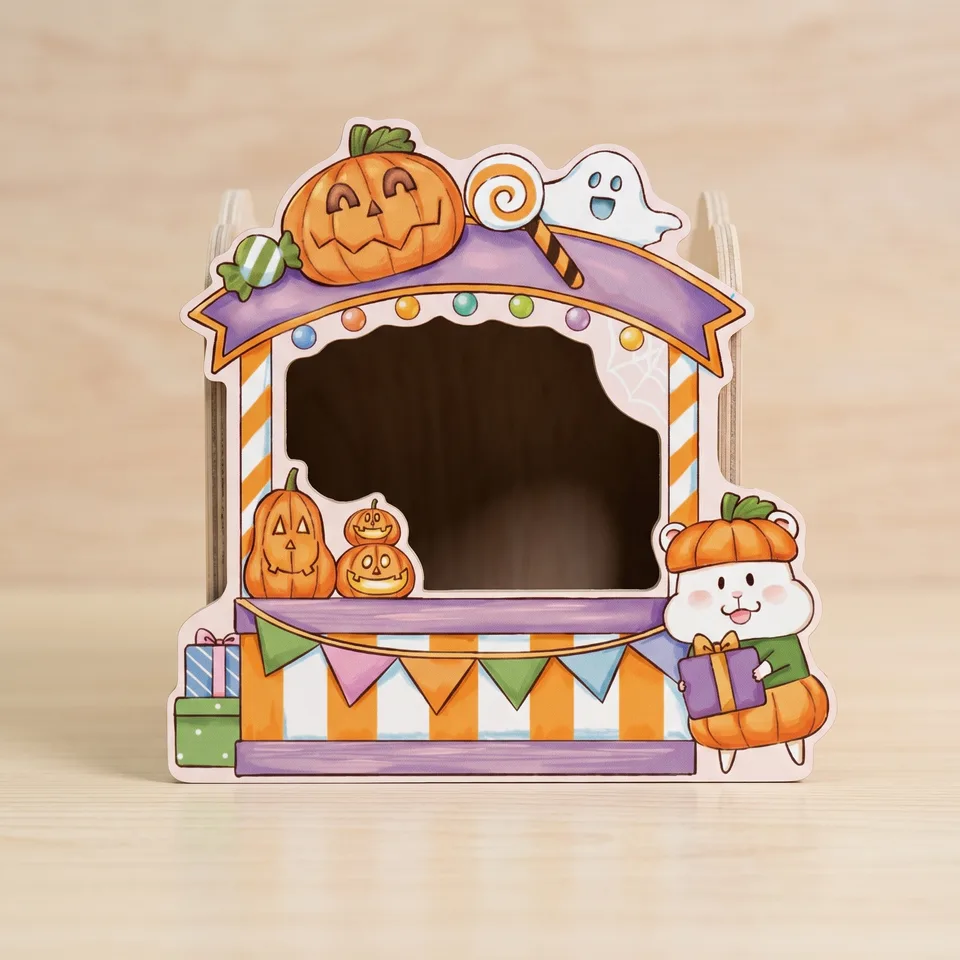
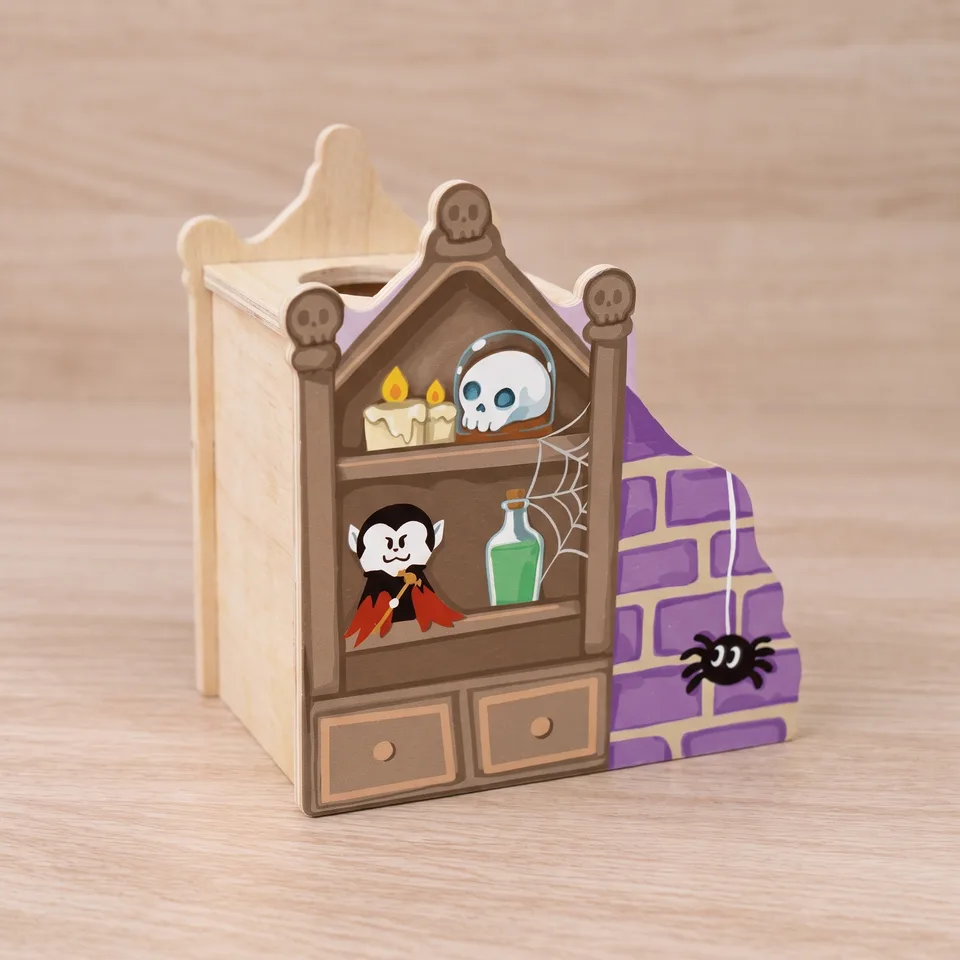
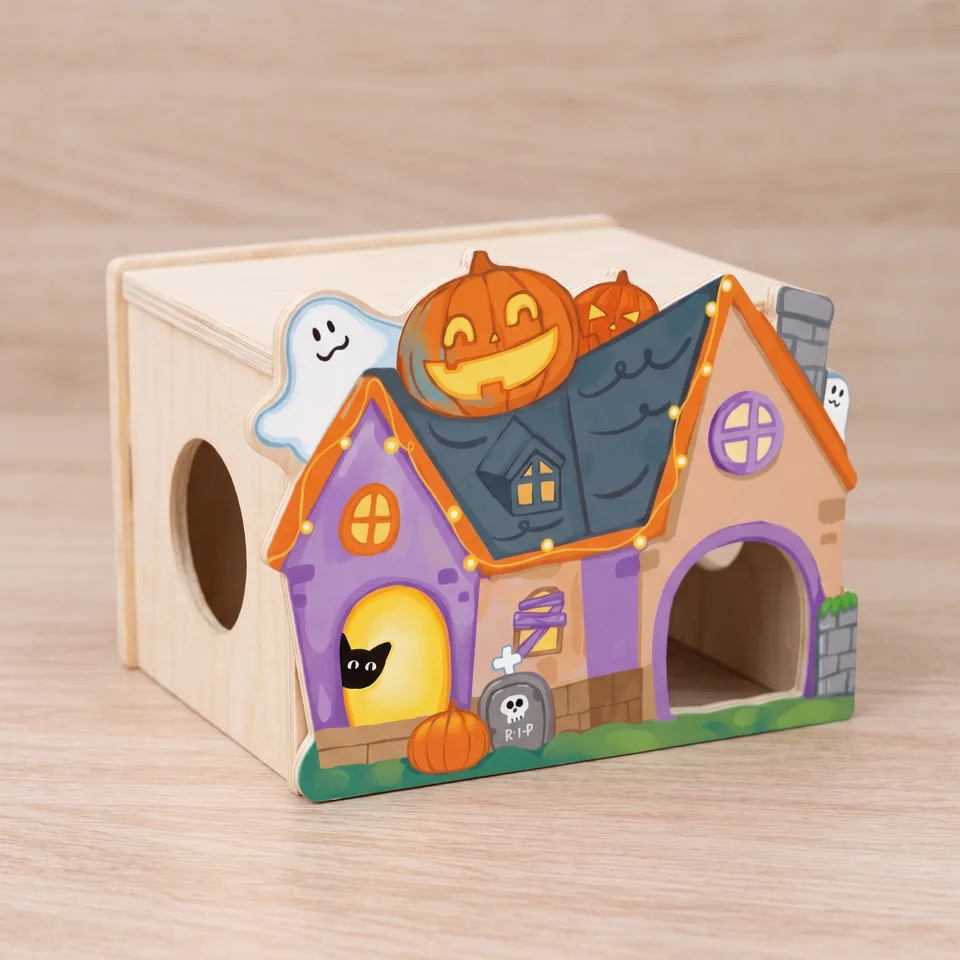
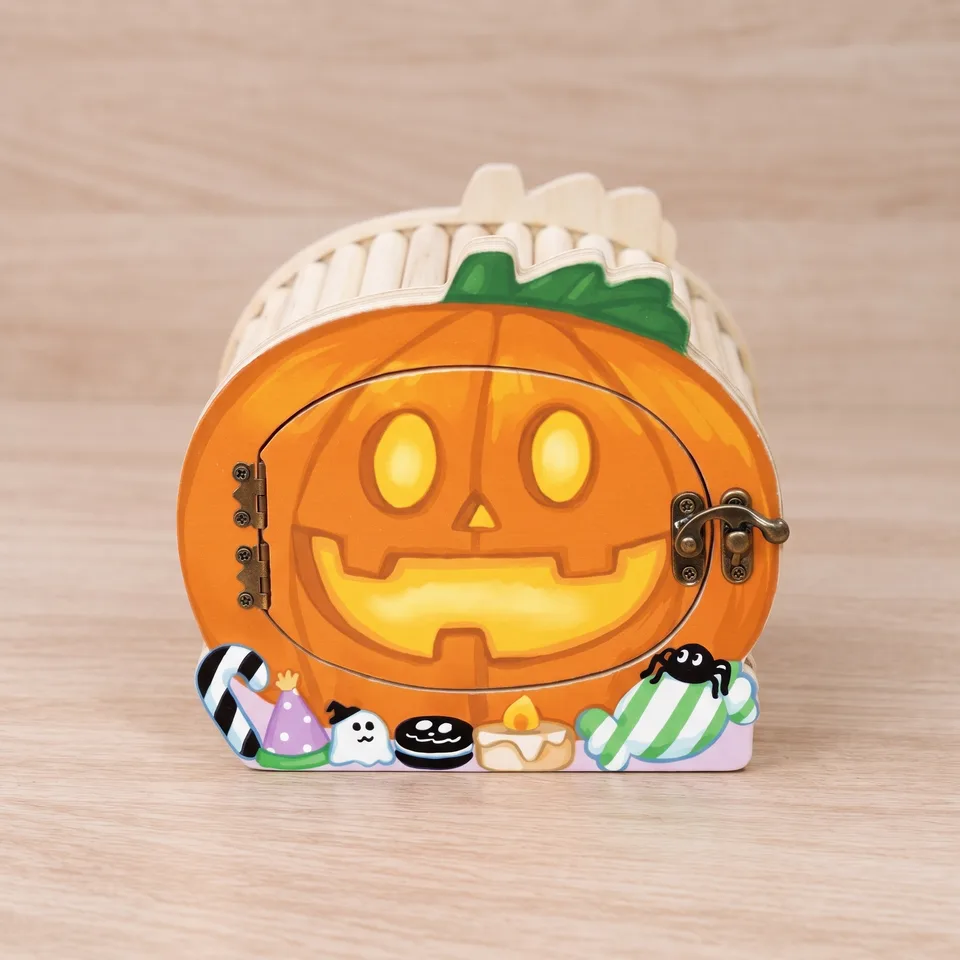
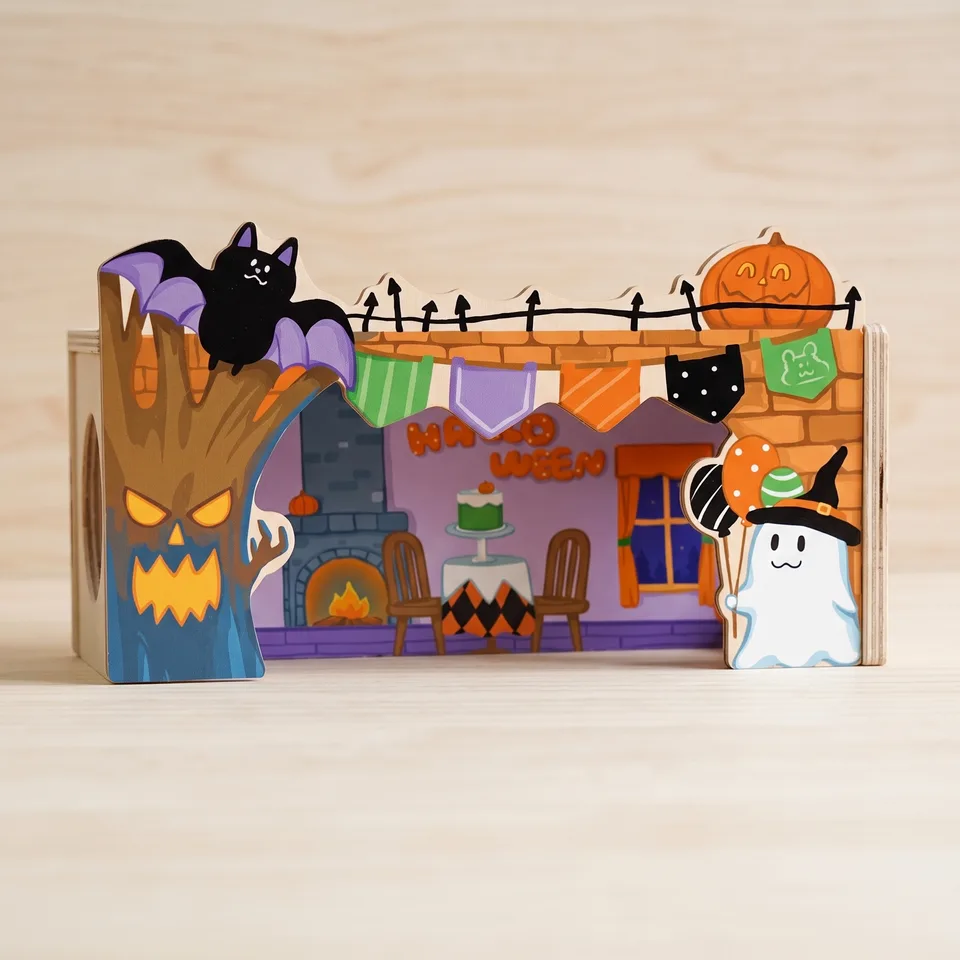
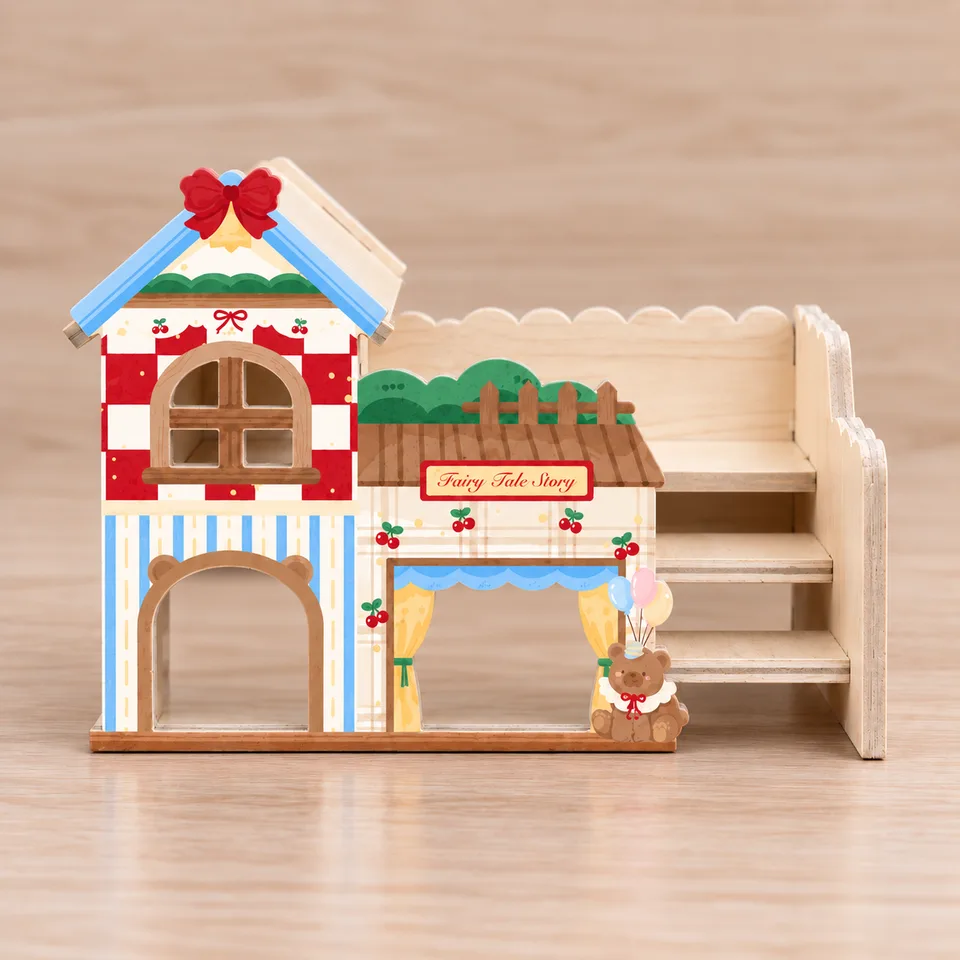
At least three, says the German veterinary association for animal welfare (TVT): one to sleep in, one for food and one as a toilet, because a wild hamster's burrow has a separate room for each. A house with several rooms counts toward that number, and UK welfare charities recommend one.
Why more than one
Wild Syrian hamsters live in tunnels about a meter underground, with separate places for the food store, for sleeping and for droppings and urine. Dwarf hamsters dig tunnels several meters long with several chambers. The TVT asks for at least three shelters in a cage for this reason, and more are welcome.
What the welfare charities say
- Blue Cross: an enclosed hide to sleep in, ideally one with several rooms, because hamsters prefer to sleep away from the entrance.
- PDSA: a selection of peaceful places to hide; wooden hides with several rooms are ideal.
- RSPCA: a nesting box big enough for a food store, best without a floor. Where two hamsters live together, one more hiding place than there are hamsters.
- German Animal Welfare Federation: houses with several rooms, so the hamster can keep its bedroom apart from its larder.
Where the sleeping house goes
The TVT suggests setting the sleeping house down into the bedding, so it stays dark inside.
Sources
- TVT, Syrian hamster sheet (April 2025) ↗: at least three shelters; wild burrows have separate rooms
- TVT, dwarf hamster sheet (April 2025) ↗: the same for dwarf hamsters
- Blue Cross, Hamster care (copy of 10 April 2026) ↗: an enclosed hide with several rooms
- PDSA, The ideal home for your hamster ↗: several hiding places; wooden hides with rooms
- RSPCA, Creating a good home for hamsters ↗: nesting box without a floor; one more hide than hamsters
- German Animal Welfare Federation, Syrian hamster leaflet ↗: houses with several rooms